Growing an online marketing business can feel overwhelming when you’re juggling clients, creating content, managing campaigns, and trying to bring in consistent revenue. But scaling to six figures doesn’t require complicated funnels or massive teams—it requires clarity, systems, and a strategy that actually works.
In this guide, you’ll learn the exact steps top marketers use to grow fast, attract better clients, and build a business that runs smoothly without burning out. Let’s break down the proven blueprint you can start applying today.
Table of Contents
1. Build a Clear, Outcome-Driven Signature Offer
The biggest reason most online marketers don’t scale is because they sell tasks instead of outcomes. Six-figure agencies and consultants sell a result, and they package that result into a structured, repeatable offer.
What a great offer looks like
A high-converting signature offer includes:
- A specific audience you serve
- A clear problem you solve
- A proven process—your method or system
- A measurable outcome clients can expect
- A premium price that reflects the value
Example of weak vs. strong offers:
Weak:
“I do social media marketing, ads, and SEO for businesses.”
Strong:
“We help personal trainers book 10–20 qualified leads per month using targeted short-form video ads.”
How to create your signature offer
- Identify the profitable niche you understand best
- Determine the #1 outcome they want most
- Build a 3–5 step process that consistently delivers that outcome
- Productize your service into fixed pricing and deliverables
This clarity makes your marketing easier, your sales stronger, and your operations scalable.

2. Build a Predictable Client Acquisition System
If your lead flow is inconsistent, your revenue will always be inconsistent—no matter how good your service is.
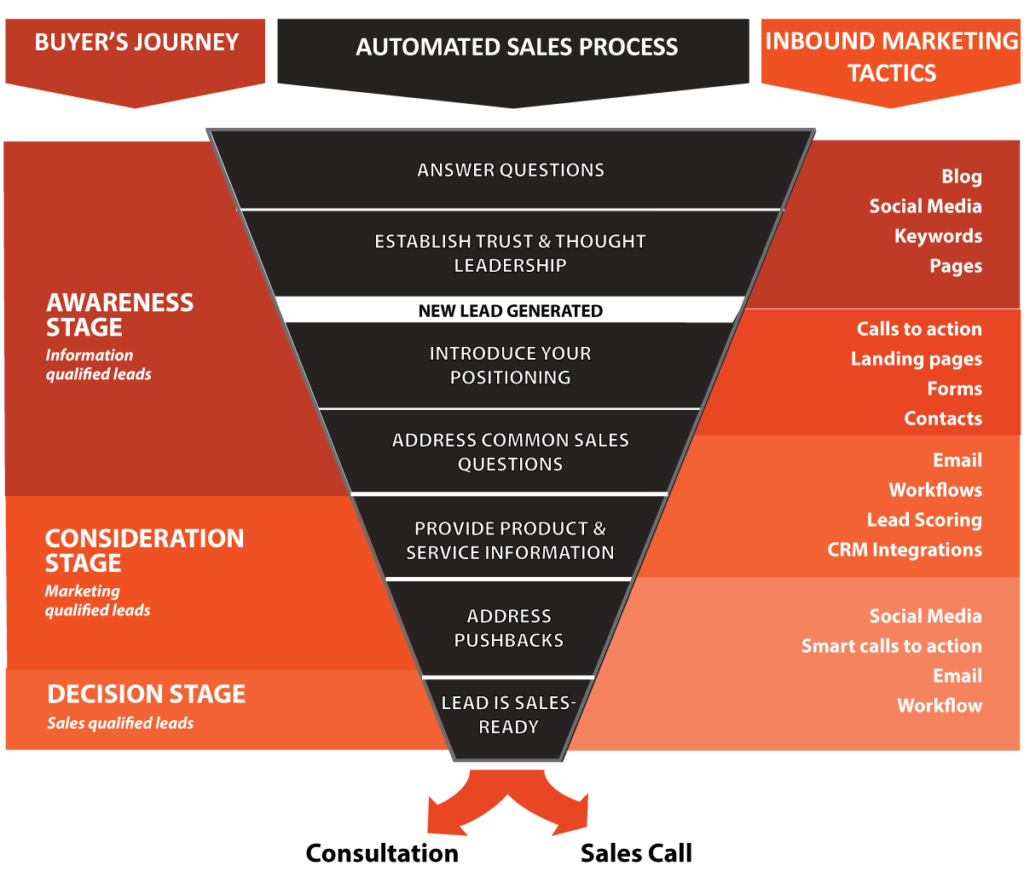
Six-figure marketers rely on two parallel acquisition systems:
A. Outbound System (Fastest)
Outbound produces clients in days, not months.
Best outbound channels:
- Cold email using niche-specific angles
- LinkedIn outreach using value-first messaging
- DM outreach using content-led conversations
- Strategic partnerships (with agencies, creators, influencers)
The formula for high-converting outreach:
- Identify a pain point
- Share a quick insight or micro-audit
- Offer a simple next step
Example cold email hook:
“I noticed the ads you’re running aren’t optimized for audience segmentation — this is likely costing you 30–40% extra in CPM.”
Outbound is essential in the early stages of growing your online marketing business because it’s predictable and fast.
B. Inbound System (Long-Term Compounding)
Inbound creates authority, brand recognition, and trust.
Best inbound strategies:
- Posting case studies that show ROI
- Posting breakdowns of successful campaigns
- Creating YouTube tutorials (long-term traffic)
- Publishing SEO-optimized blogs weekly
- Offering lead magnets (PDFs, cheat sheets, audits)
- Building email nurture sequences
Inbound positions you as the expert—this attracts higher-paying, long-term clients.
3. Raise Your Prices by Shifting to Value-Based Pricing
To scale to six figures, charging low rates will never get you there.
Instead, base your pricing on:
- The value you provide
- The revenue or leads you generate
- The business outcomes you create
Why value-based pricing works:
If your service earns a client $10,000 a month in new revenue, charging $1,500–$4,000/month is completely reasonable.
When to raise your prices:
- Every 3–5 new clients
- When your offer improves
- When you add automation or stronger reporting
- When demand exceeds supply
Example price ranges:
- Paid ads management: $1,000–$4,000/month
- Email automation setup: $750–$2,500
- SEO retainer: $1,000–$5,000/month
- Social media management: $500–$1,500/month
In a six-figure online marketing business, the goal is not to sign more clients—it’s to sign better clients who pay more consistently.
4. Systemize Service Delivery to Remove Bottlenecks
A six-figure business runs on systems, not chaos.
Core systems you must build:
A. Client Onboarding System
This ensures clients feel supported and reduces friction.
Include:
- Welcome packet
- Onboarding form
- Contract + invoice
- Access request sheet (ads, website, CRM, socials)
- Kickoff call framework
B. Content & Execution Workflow
If your service includes content:
Create steps like:
- Research
- Draft
- Design
- Approval
- Scheduling
- Reporting
Use tools like Trello, ClickUp, Notion, or Monday.
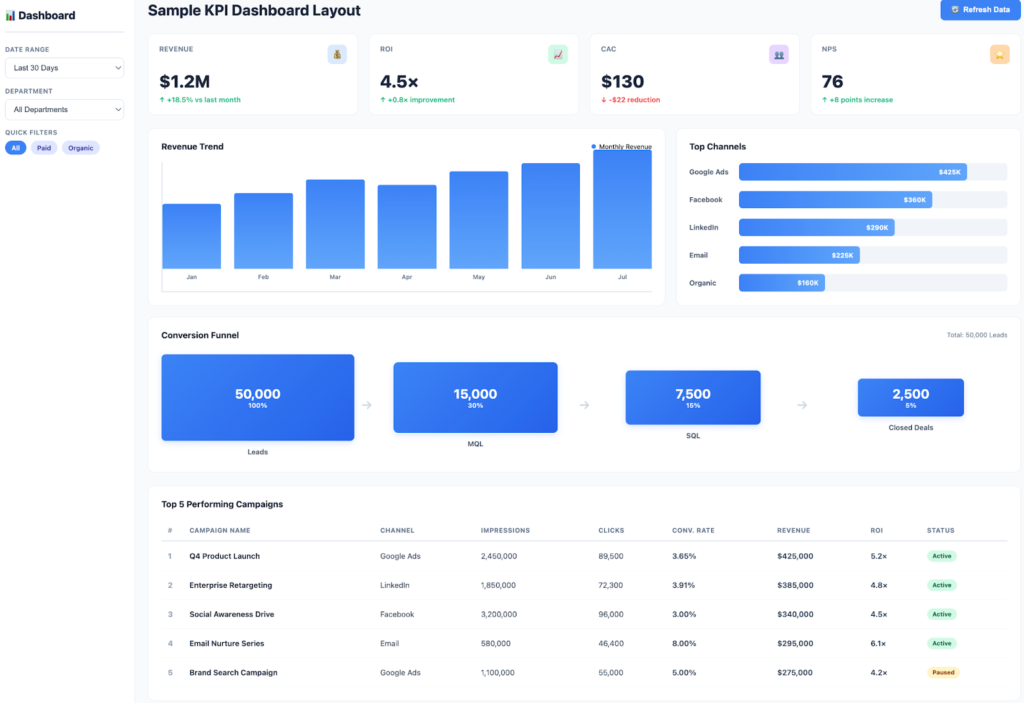
C. Reporting & Analytics
Clients need to see results.
Send:
- Weekly KPI snapshots
- Monthly performance breakdowns
- Growth recommendations
This reduces churn and increases lifetime value.
D. Communication Guidelines
Set expectations:
- Response times
- Weekly updates
- Monthly calls
- Communication channels (Slack, email, WhatsApp, etc.)
Systems allow you to take on double the clients without doubling the workload.
5. Automate Before You Delegate
Before hiring, automate repetitive tasks.
Automations to introduce:
- Lead capture → CRM → Automated follow-up
- Email onboarding sequences
- Appointment scheduling
- Proposal + contract generation
- Reporting dashboards
- Content scheduling
Tools to use:
- Zapier
- Make (Integromat)
- HighLevel
- Airtable
- HubSpot
- Buffer / Later / Metricool
Automation reduces 30–40% of manual work, giving you more time for sales, strategy, and client results.
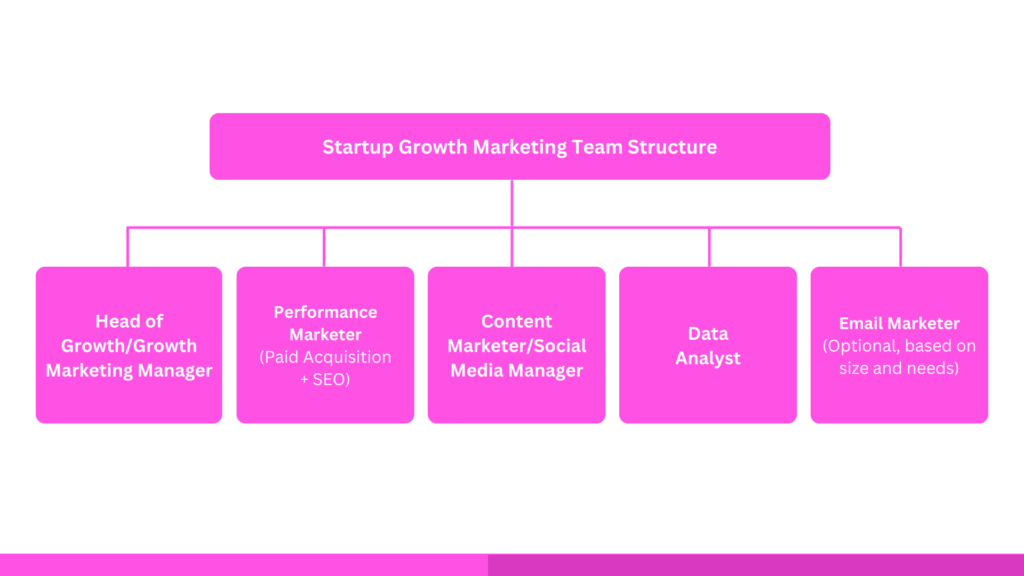
6. Hire or Outsource to Expand Capacity
You cannot scale alone forever.
First hires to consider:
- Virtual assistant (admin tasks)
- Content creator (graphics, editing, reels)
- Media buyer (ad specialist)
- Copywriter (ads, emails, scripts)
When to hire:
- When your fulfillment is full and you’re turning away clients
- When your profit margins exceed 40–60%
- When admin tasks consume more than 4 hours/day
Your role should gradually shift toward:
- Strategy
- Sales
- Client relationships
- Optimization
- Vision
That’s how you grow your online marketing business into a true agency.
7. Improve Client Retention to Build Predictable Revenue
Getting a client is expensive—keeping one is profitable.
Ways to retain clients 6–24+ months:
- Share monthly reports with insights, not just numbers
- Offer quarterly strategy sessions
- Introduce new service upgrades
- Deliver quick wins in the first 30 days
- Communicate proactively
High retention = stable revenue = easier scaling.
8. Track KPIs That Actually Matter
Every six-figure digital marketer tracks numbers obsessively.
Most important KPIs:
- CAC (Client Acquisition Cost)
- LTV (Client Lifetime Value)
- Conversion rate from consultation → closed client
- Average contract value
- Churn rate
- Profit margin
- Lead source performance
Data shows you exactly where to focus to scale faster.

9. Scale Your Offer With Group Programs or Hybrid Services
Once your 1:1 service reaches capacity, expand with:
- Group consulting
- Mini-courses
- Done-with-you programs
- Monthly retainers + automation setups
This allows you to scale without adding equal workload.
10. Build a Brand That Attracts Clients Automatically
Branding = shortcuts trust.
Simple branding upgrades:
- Consistent design
- Strong content voice
- Clear value proposition
- Clean website with case studies
- Powerful social proof
Your brand should tell prospects:
“This is the team that gets results.”
Conclusion
Scaling your online marketing business to six figures isn’t about doing more—it’s about doing the right things consistently. When you narrow your focus, refine your offer, build predictable acquisition systems, and streamline your delivery, growth becomes systematic rather than stressful. The businesses that rise fastest are the ones that operate with clarity, leverage data, automate smartly, and continuously improve the client experience.
Remember, the six-figure level isn’t a milestone reserved for large agencies. Solo marketers and small teams reach it every day by following the exact steps you learned in this guide. Start by making small, strategic changes: simplify your offer, raise your prices, document your processes, and show up consistently in your marketing. Momentum builds quickly when your systems support your goals.
Your online marketing business already has the potential—now it’s about executing with intention and building the engine that will carry you to your next level.
If you’re unsure which online business model or marketing path fits you best, take the quick 3-question Side Hustle Quiz and get a personalized recommendation in seconds.