For years, small businesses have relied on the same digital foundation: a website, a few social media profiles, and maybe an email list.
That model is breaking.
Organic reach is declining. Paid ads are getting more expensive. And customers? They’re no longer loyal to brands—they’re loyal to experiences, belonging, and connection.
In 2026, the smartest small business owners are making a critical shift:
They’re no longer just building audiences. They’re building communities.
Table of Contents
The Problem With the Traditional Business Model
Most small businesses operate like this:
- Drive traffic → convert to customer → repeat
- Constantly chase new leads
- Depend on platforms they don’t control (Instagram, Facebook, TikTok)
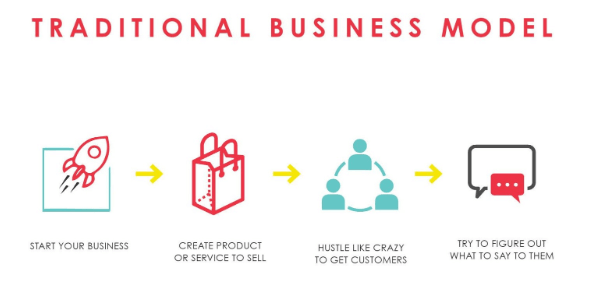
This creates three major issues:
- Unpredictable revenue – Sales fluctuate every month
- Low retention – Customers buy once and disappear
- Platform dependency – One algorithm change can kill your reach overnight
A website alone doesn’t fix this. It’s static. It doesn’t create engagement. It doesn’t build relationships.
And relationships are where the money is.
The Rise of the Community-Driven Business
A paid community flips the entire model:
Instead of chasing one-time buyers, you create a space where people stay, engage, and pay continuously.
Think about it:
- Instead of selling a product once → you charge monthly access
- Instead of talking at customers → you interact with members
- Instead of relying on ads → your community becomes your growth engine
This is what’s known as recurring revenue + community-led growth.
And it’s exploding right now.
Why Communities Are Winning in 2026
1. Recurring Revenue = Stability
A paid community gives you predictable monthly income.
Instead of wondering:
“Where will my next sale come from?”
You know:
“This many members = this much revenue.”
That stability allows you to scale smarter, invest confidently, and stop operating in survival mode.
2. Deeper Customer Relationships
People don’t just want products anymore.
They want:
- Access
- Support
- Connection
- Belonging
A community gives them all four.
When customers feel like they’re part of something, they don’t leave. They engage more, buy more, and refer others.
3. Built-In Marketing Engine
Your community becomes your most powerful marketing asset.
Members:
- Share wins
- Invite others
- Create user-generated content
- Promote your brand organically
This reduces your dependency on ads and turns your business into a self-sustaining ecosystem.
4. Authority Positioning
When you run a community, you’re no longer just a business owner.
You become:
- A leader
- A mentor
- A central figure in your niche
That authority compounds over time—and it directly increases your pricing power.
Why a Website Alone Is No Longer Enough
A website is passive.
A community is dynamic.
A website:
- Displays information
- Waits for visitors
- Converts a small percentage
A community:
- Engages daily
- Builds relationships
- Retains customers
- Generates recurring income
If your business is still relying only on a website, you’re leaving massive long-term revenue on the table.
What Makes Paid Communities So Effective
The real power of a paid community lies in three things:
1. Exclusivity
People value what they pay for. A paid space attracts serious, committed members.
2. Access
Members get closer to you—your knowledge, your network, your guidance.
3. Transformation
You’re not just selling a product. You’re helping people achieve outcomes.
That’s what keeps them paying month after month.
“But I Don’t Have a Big Audience…”
You don’t need one.
Many small business owners are launching successful communities with:
- A small email list
- A niche skill
- A local or specialized audience
What matters is not size—it’s relevance and engagement.
A small, focused community can outperform a large, disengaged audience every time.
The Smart Shift: From Customers to Members
Here’s the mindset shift:
- Customers = transactional
- Members = relational
Customers ask:
“What do I get?”
Members ask:
“How can I stay involved?”
That difference is everything.
When you move from selling products to building a membership ecosystem, your business stops being fragile—and starts becoming scalable.

The Opportunity Right Now
We’re still early.
Most small businesses haven’t caught on yet. They’re still stuck in:
- One-time sales
- Social media dependency
- Constant content burnout
This creates a massive opportunity for those who move now.
The businesses that build communities today will dominate their niches tomorrow.
Final Thoughts
The question isn’t whether communities will become important.
They already are.
The real question is:
Will you be one of the early adopters—or one of the businesses trying to catch up later?
Next Step
If you’re serious about creating more predictable income, deeper customer loyalty, and a business that grows with less effort…
Start exploring how to launch your own community.
There are platforms specifically designed to make this simple—even if you’re not tech-savvy.
The fastest way to understand how this works is to see the model in action.
Affiliate Disclaimer: This post may contain affiliate links. I may earn a commission at no extra cost to you if you choose to make a purchase through my link.