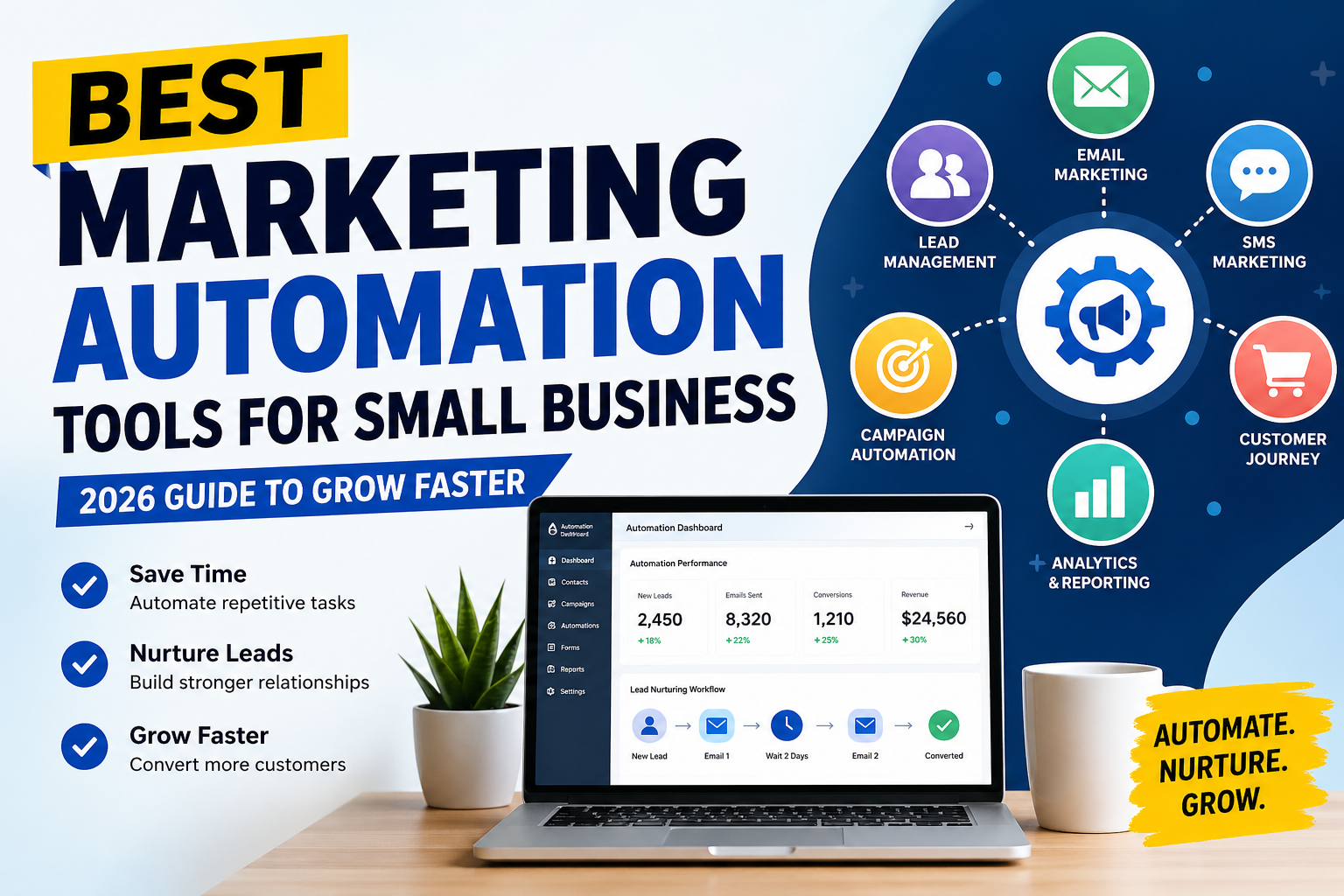
Best marketing automation tools for small business are no longer a luxury—they’re a necessity if you want to grow faster without burning out.
Managing leads, follow-ups, and campaigns manually can quickly become overwhelming, especially as your business starts to scale. That’s where automation steps in—helping you streamline your marketing, save time, and increase conversions without adding more work to your plate.
In this guide, you’ll discover the top tools that can automate your marketing, improve efficiency, and help your business grow smarter in 2026.
Table of Contents
What Are Marketing Automation Tools?
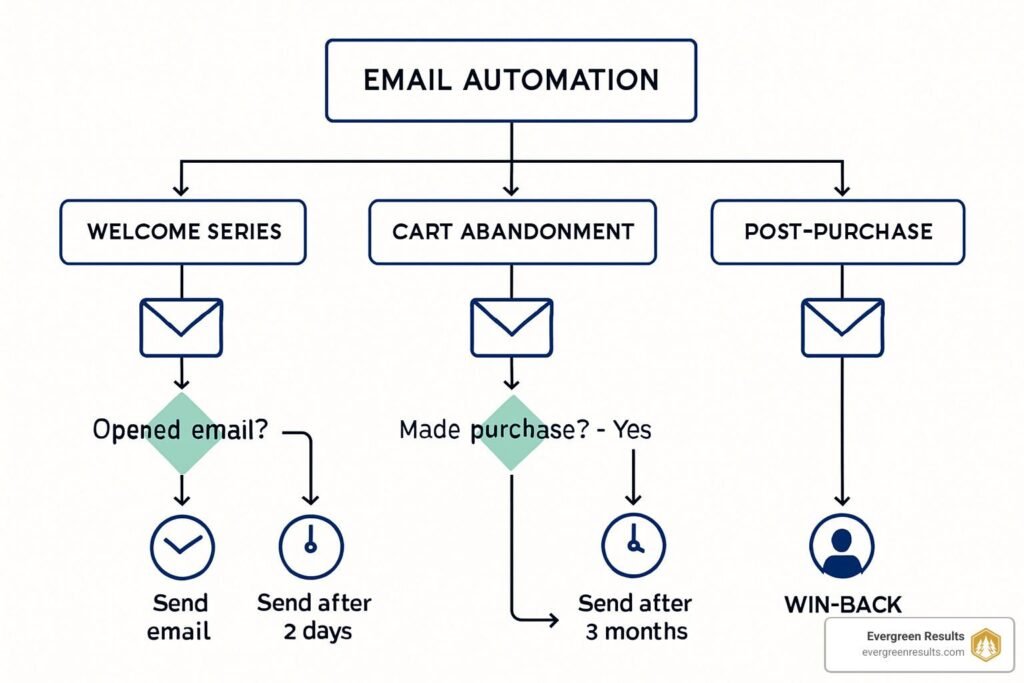
Marketing automation tools are platforms that handle repetitive marketing tasks without manual effort.
Instead of sending emails one by one or tracking leads in spreadsheets, these tools automate everything based on user behavior.
For example:
- A visitor signs up → they automatically receive a welcome email
- A lead clicks a link → they’re added to a targeted campaign
- A customer abandons cart → they get a reminder message
This allows you to run a consistent, professional marketing system—even with a small team.
Why Marketing Automation Is Essential for Small Businesses
Small businesses operate with limited time and resources. Automation levels the playing field.
Here’s what changes when you implement it:
- Faster response time: Leads are contacted instantly
- Higher conversions: Timely follow-ups increase sales
- Less manual work: Free up hours every week
- Scalable growth: Systems grow without hiring more staff
Without automation, most businesses lose leads simply because they don’t follow up fast enough.
Best Marketing Automation Tools for Small Business
1. HubSpot – Best All-in-One Marketing Automation Platform
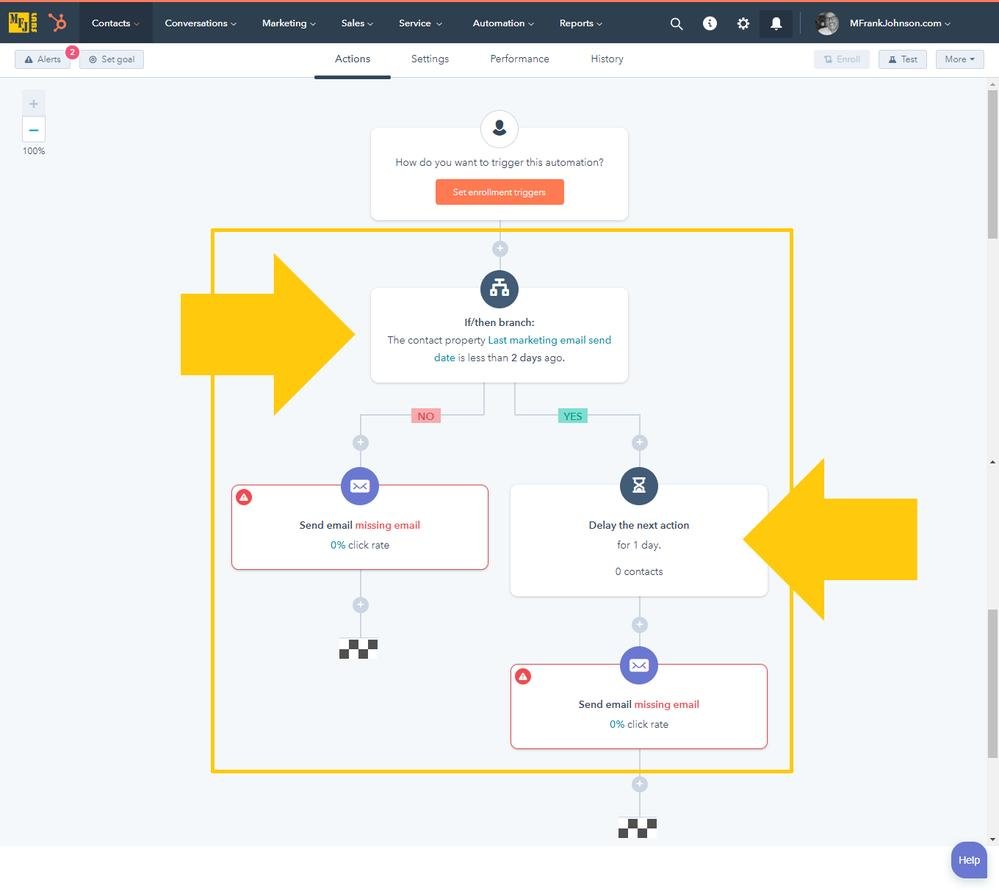
HubSpot is one of the most complete platforms available. It combines CRM, email marketing, automation, analytics, and landing pages into a single ecosystem.
This makes it ideal for small businesses that want everything in one place instead of juggling multiple tools.
What makes it powerful:
- Visual automation workflows that are easy to build
- Built-in CRM to track every lead
- Email campaigns, forms, and landing pages
- Detailed analytics and reporting
HubSpot is especially useful if you want to build a full marketing system from scratch.
Where it falls short:
As your business grows, pricing can increase significantly.
2. ActiveCampaign – Best for Advanced Automation
ActiveCampaign is built for businesses that want deeper control over their automation.
It allows you to create highly customized workflows based on behavior, engagement, and user actions.
Key strengths:
- Advanced automation builder
- Email and SMS marketing combined
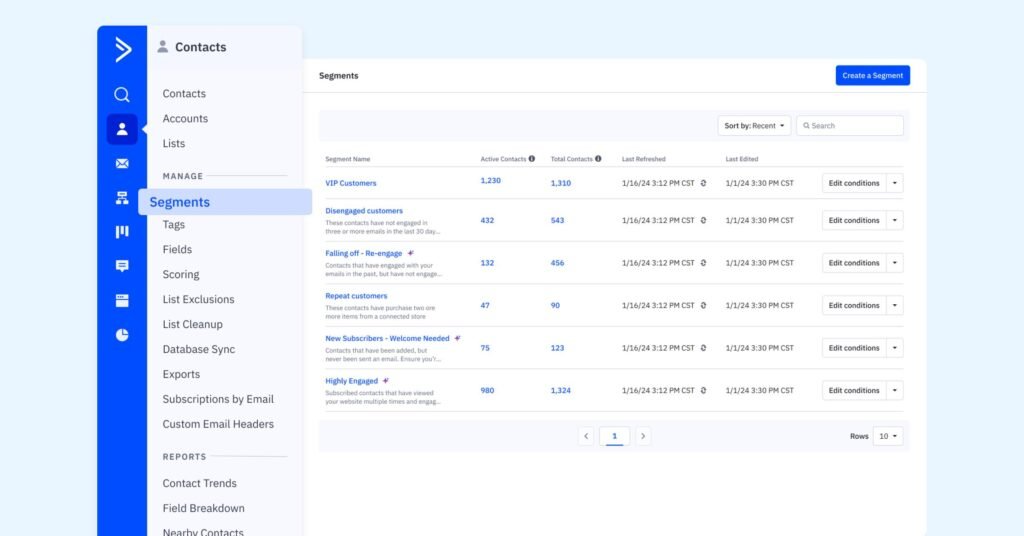
- Smart segmentation and targeting
- CRM functionality included
If you want to create complex funnels and highly personalized campaigns, this tool stands out.
Limitation:
There’s a learning curve if you’re completely new to automation.
3. Brevo – Best Budget-Friendly Automation Tool
Brevo is perfect if you’re just starting and want a cost-effective solution.
Despite being affordable, it offers strong multi-channel automation features.
What you get:
- Email, SMS, and WhatsApp automation
- Built-in CRM
- Easy workflow setup
- Free plan available
Brevo is a great entry point for beginners who want to implement automation without a big investment.
Downside:
It doesn’t offer the same level of advanced automation as premium tools.
4. Mailchimp – Best for Email Marketing Automation
Mailchimp is one of the most well-known tools for email automation.
It’s simple, beginner-friendly, and perfect if email is your primary marketing channel.
Main features:
- Automated email campaigns
- Audience segmentation
- A/B testing
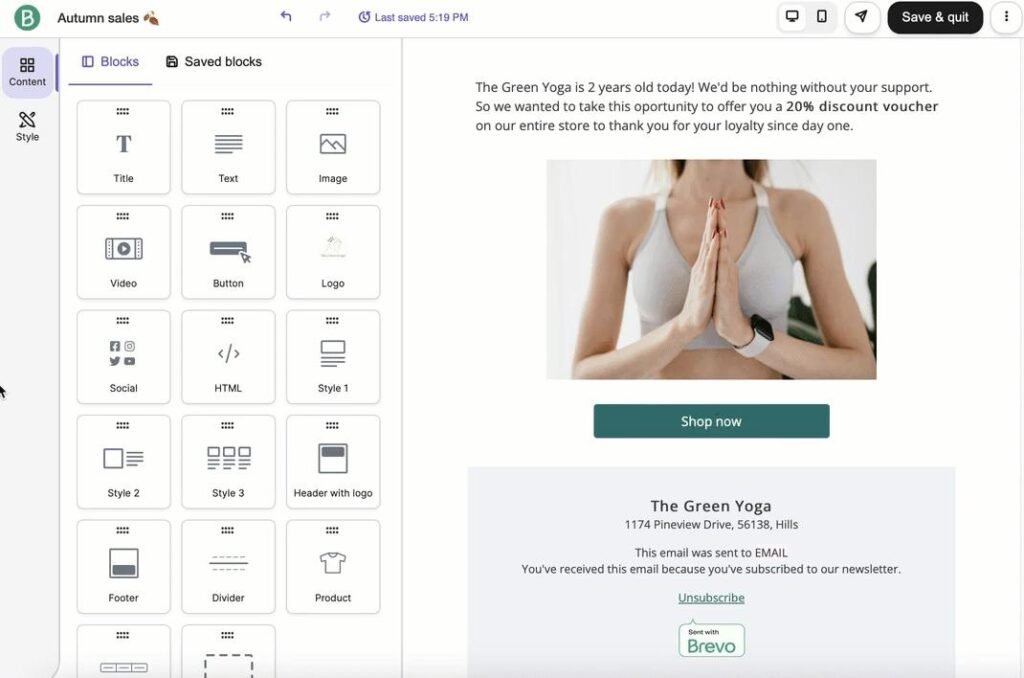
- Pre-built templates
Mailchimp is ideal for small businesses that want to start with email marketing before expanding into full automation.
Limitation:
It lacks deeper automation capabilities compared to tools like ActiveCampaign.
5. Omnisend – Best for eCommerce Businesses
Omnisend is specifically designed for online stores.
If you run a Shopify or WooCommerce business, this tool can significantly increase your revenue.
What makes it effective:
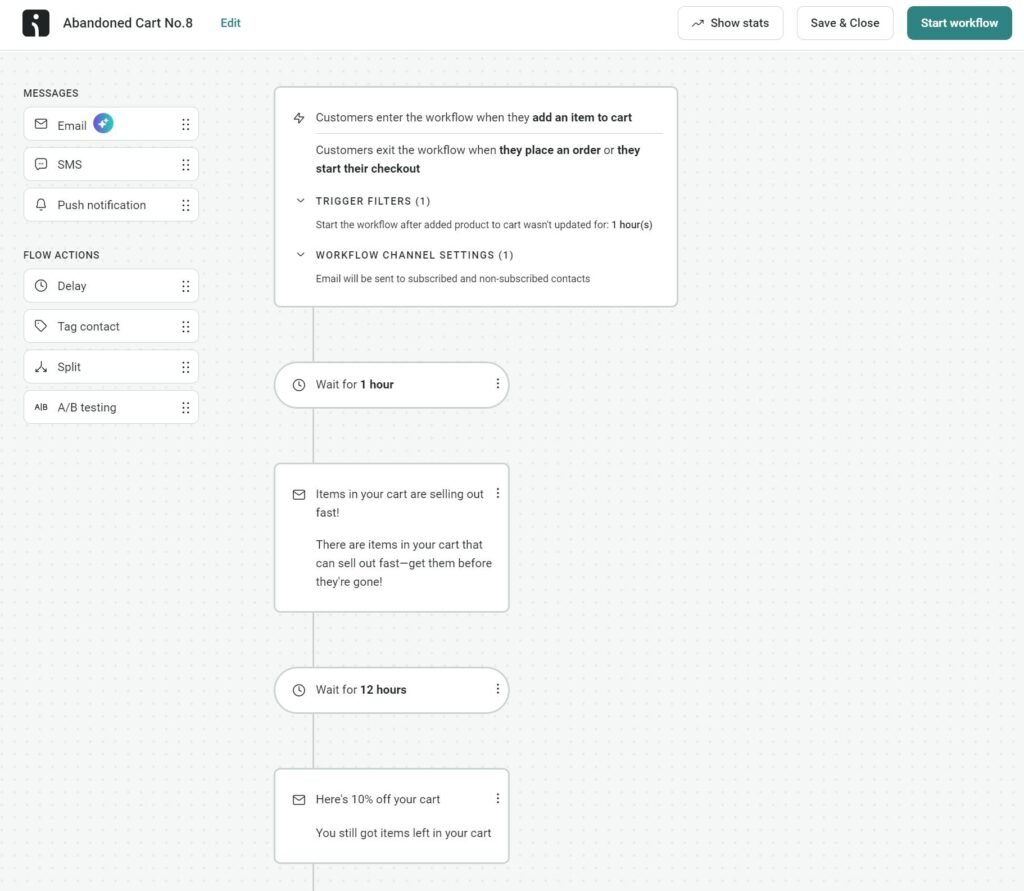
- Abandoned cart recovery workflows
- Product-based email campaigns
- SMS + email integration
- Pre-built eCommerce automation
It’s built to convert browsers into buyers automatically.
Limitation:
Not ideal for service-based businesses.
6. Zoho CRM – Best Budget CRM with Automation
Zoho CRM is a powerful yet affordable solution for businesses that need both CRM and automation.
It allows you to manage leads, automate workflows, and track sales—all in one place.
Key benefits:
- Lead and pipeline management
- Workflow automation
- AI assistant for insights
- Multi-channel communication
It’s a strong alternative to more expensive platforms like HubSpot.
Downside:
The interface can feel complex for beginners.
7. Zapier – Best for Connecting Multiple Tools
Zapier isn’t a traditional marketing platform, but it plays a critical role in automation.
It connects different apps and automates tasks between them.
What it does best:
- Automates workflows across tools
- Connects thousands of apps
- Eliminates repetitive tasks
- No coding required
For example, you can automatically send leads from your website to your CRM or email tool.
Limitation:
It doesn’t replace a full marketing platform—it enhances one.

How to Choose the Right Tool
Choosing the right tool depends on your goals.
- If you want simplicity → start with Brevo or Mailchimp
- If you want everything in one place → choose HubSpot
- If you want advanced automation → go with ActiveCampaign
- If you run an online store → use Omnisend
- If you need CRM + automation → Zoho is a great option
Start simple. Master one tool. Then expand.
Conclusion
The reality is simple: if you’re not using automation in 2026, you’re leaving growth on the table.
The best marketing automation tools for small business aren’t just about convenience—they’re about building a system that consistently brings in leads, nurtures relationships, and converts customers without constant manual effort.
But here’s what most people get wrong…
They try to use too many tools at once.
Instead, start with one platform that fits your current needs. Learn it. Build your workflows. Then expand as your business grows.
Because real growth doesn’t come from doing more—it comes from building smarter systems that do the work for you.
If you take one action after reading this guide, make it this:
👉 Choose one tool. Set up your first automation. Start today.
That single step can completely change how your business operates—and how fast it grows.