How to start an ecommerce business with zero inventory is one of the most common questions aspiring online entrepreneurs ask today—and for good reason. The ability to run a profitable store without buying stock upfront has completely changed what it takes to start an online business.
Whether you’re looking for a flexible side hustle or a full-time digital venture, the zero-inventory model allows you to launch quickly, minimize risk, and scale with ease. In this guide, you’ll learn exactly how this business model works, which tools and suppliers to rely on, and the step-by-step process to build a store that can generate real, consistent results.
Table of Contents
What Does Zero-Inventory Ecommerce Mean?
A zero-inventory ecommerce model allows you to sell products without ever storing, handling, or shipping them yourself. You focus on marketing, customer acquisition, and managing your storefront; third-party partners handle the operational side.
There are three core models:
1. Dropshipping
You list products on your store, and when customers buy, a supplier ships the orders directly.
Why it works: Zero inventory cost, fast launch, global supplier access.
Where SaleHoo helps: SaleHoo’s verified supplier directory removes guesswork by connecting you with vetted, reliable wholesalers.
2. Print on Demand (POD)
Products like T-shirts, hoodies, mugs, and posters are printed with your design only when ordered.
Why it works: No stock risk, unlimited product variations.
3. Affiliate Ecommerce
You promote products sold by brands, and earn a commission for each sale.
Why it works: No product handling, no customer service, minimal maintenance.
All three methods fall under the broader category of how to start an ecommerce business with zero inventory, and you can choose based on your skill set and business goals.
Step-by-Step: How to Start an Ecommerce Business With Zero Inventory
Step 1: Identify a Highly Profitable Niche
Choosing the right niche is the foundation of your success. Your niche determines your audience, pricing strategy, and marketing direction.
Characteristics of a profitable niche:
- High and consistent demand
- Low to moderate competition
- Target audience that actively shops online
- Products with at least 3x markup potential
- Opportunities for repeat purchases
Trending niche examples:
- Pet grooming & pet tech accessories
- Home and workspace organization
- Skincare and beauty tools
- Fitness and recovery tools
- Eco-friendly products
- Outdoor gear
- Personalized gifts (ideal for POD)

Step 2: Conduct Deep Product Research
Once your niche is selected, identify specific products that solve real problems.
Tools that make product research easier:
- SaleHoo Market Research Lab – shows trending products, margins, and demand
- Google Trends – validates long-term interest
- TikTok Search – identifies viral demand
- Amazon Best Sellers – sees what customers truly want
- Etsy – good for niche, personalized, or handmade-based trends
What to check before selecting a product:
- Profit margins
- Competition saturation
- Supplier reliability
- Product size/weight (affects shipping cost)
- Customer reviews (to avoid low-quality products)
This ensures you are not just selling random items but offering products with sustainable demand.
Step 3: Choose Your Zero-Inventory Fulfillment Model
Option A: Dropshipping
Use platforms like SaleHoo to source reliable dropshipping suppliers who ship globally.
Option B: Print on Demand
Use POD partners like Printify or Printful for fully automated printing and fulfillment.
Option C: Hybrid Model
Combine dropshipping and POD to diversify your income streams.
Step 4: Source Reliable Suppliers
Your supplier will directly impact delivery speed, product quality, and customer satisfaction.
Why SaleHoo is recommended:
- Access to 8,000+ verified suppliers
- Pre-vetted manufacturers (reduces scam risk)
- High-quality product options
- Reliable support for beginners
This dramatically improves success rates compared to sourcing suppliers blindly.
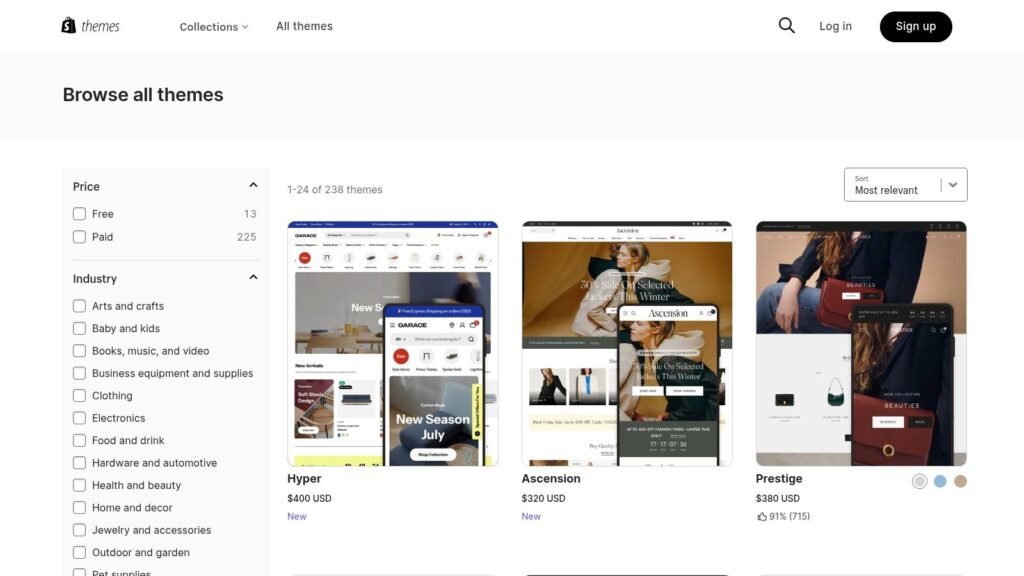
Step 5: Build Your Ecommerce Store
A professional storefront builds trust and improves your conversion rate.
Recommended platforms:
- Shopify (most beginner-friendly and scalable)
- WooCommerce (more technical but customizable)
- Wix (simple and visually appealing for beginners)
Essential pages your store must include:
- Home page
- Product pages with high-quality images
- About Us
- FAQ
- Contact Us
- Refund & Shipping Policy
Step 6: Set Up Automated Fulfillment
Zero-inventory ecommerce should run seamlessly in the background.
Dropshipping automation:
Apps like DSers or AutoDS sync orders directly to suppliers.
POD automation:
Printify, Printful, or Gelato connect directly to Shopify/WooCommerce for instant order processing.
Automation reduces workload, errors, and delivery delays.
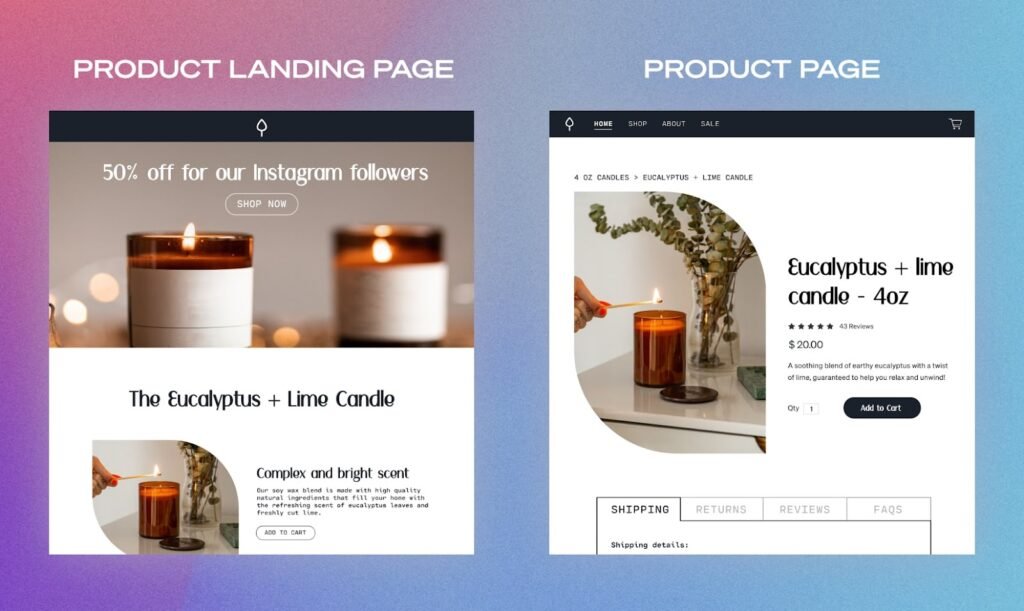
Step 7: Create High-Converting Product Listings
Your product listing should educate, persuade, and convert.
What to include:
- High-quality images
- Benefit-driven descriptions
- Clear pricing
- Social proof (reviews, ratings)
- Shipping timelines
- Risk-free guarantee
Step 8: Drive High-Quality Traffic to Your Store
Even the best store will fail without traffic. Choose from organic or paid channels:
Organic Methods:
- SEO-optimized product descriptions
- Pinterest marketing
- Instagram Reels and TikTok videos
- Blog posts targeting your niche
- YouTube short-form reviews
Paid Methods:
- Meta ads
- TikTok ads
- Google Shopping ads
- Influencer collaborations
Start small, test creatives, and scale what converts.
Step 9: Optimize for Conversions
Small improvements in your store can increase sales significantly.
Focus on:
- Page speed
- Mobile responsiveness
- Clear call-to-action buttons
- Transparent shipping information
- Upsells and cross-sells
Use tools like Hotjar or Lucky Orange to understand visitor behavior and reduce friction.
Step 10: Scale Your Zero-Inventory Ecommerce Business
Once profitable, scale in predictable ways:
- Add more products
- Build email automation sequences
- Expand to international markets
- Run retargeting ad campaigns
- Launch loyalty or referral programs
- Outsource customer support
Long-term success is about optimization and systemization.
Common Mistakes to Avoid
Avoid these traps that stop beginners from succeeding:
- Choosing a niche without market demand
- Using unreliable suppliers
- Poor-quality product images
- Overcomplicated website layout
- Ignoring customer service
- Running ads without proper tracking
- No clear value proposition
Correct these early and your ecommerce journey becomes smoother and more profitable.
Not sure which zero-inventory model suits you best?
👉 Take the 3-question Side Hustle Quiz and instantly identify your ideal online business path. Take the quiz →
Conclusion
Starting an ecommerce business no longer requires warehouses, upfront inventory purchases, or complex logistics. By leveraging zero-inventory models such as dropshipping, print on demand, and affiliate ecommerce, you can launch a profitable online store with minimal risk and maximum flexibility.
The key is choosing a profitable niche, conducting thorough product research, and partnering with reliable suppliers. Platforms like SaleHoo streamline this process by giving you access to vetted suppliers and market insights, helping you avoid common beginner mistakes.
If you stay consistent, optimize your store, and refine your marketing strategy over time, this business model can evolve from a simple side hustle into a long-term digital asset. The opportunity is real, and the barrier to entry has never been lower. Now that you know exactly how to start an ecommerce business with zero inventory, you are in a strong position to launch confidently and scale sustainably.
Whenever you’re ready, take action—test products, gather data, improve continuously, and watch your ecommerce business grow.